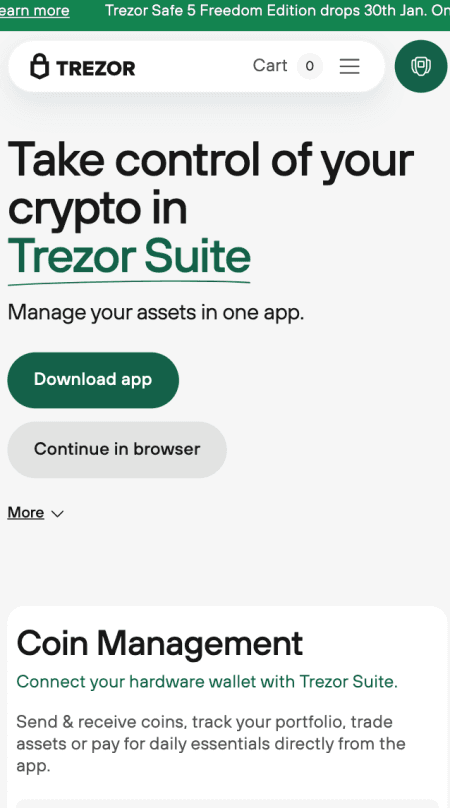
Trezor Login: A Comprehensive Guide to Secure Crypto Access
In the fast-evolving world of cryptocurrency, one of the most important aspects for every investor and trader is security. With the rise of digital assets, the need for reliable and safe storage solutions has become critical. Trezor, a leading hardware wallet brand, has gained a strong reputation for providing top-level security and user-friendly management of digital currencies. To make the most of its features, understanding the Trezor login process is essential. This guide will walk you through everything you need to know about logging into your Trezor wallet, setting it up, troubleshooting common issues, and enhancing your security.
What Is Trezor?
Trezor is a hardware cryptocurrency wallet developed by SatoshiLabs. It stores your private keys offline, away from internet-connected devices, making it extremely secure against hacking or phishing attempts. This physical device acts as your personal vault, protecting your crypto assets from online vulnerabilities.
There are two main models available: Trezor One and Trezor Model T.
Trezor One is the original model, compact and affordable, suitable for beginners and experienced users alike.
Trezor Model T offers a touchscreen display, faster performance, and support for a wider range of cryptocurrencies.
Both models are designed with advanced cryptographic security and are compatible with multiple operating systems.
Setting Up Your Trezor Device
Before you can log in, you must complete the initial setup of your Trezor wallet. This ensures that your device is properly secured and ready to manage your digital assets.
Unpack and Connect the Device
Connect your Trezor to your computer using the supplied USB cable. Ensure the computer is trusted and free from any malware or malicious software.Install Trezor Suite
Trezor Suite is the official desktop application that allows you to manage your cryptocurrencies, send and receive transactions, and update your device. Once installed, it will recognize your Trezor device automatically.Initialize the Wallet
You will be prompted to create a new wallet or recover an existing one. Choose “Create new wallet” if you are a new user. Follow the on-screen steps to generate your recovery seed.Backup Your Recovery Seed
The recovery seed is a sequence of 12, 18, or 24 words generated by your Trezor. It is the master key to your funds and should be written down carefully on paper and stored securely offline. Never share it with anyone or store it digitally.Set a Strong PIN Code
The PIN protects your Trezor from unauthorized access. Choose a unique and hard-to-guess code. If someone attempts multiple incorrect entries, the device will lock for increasing time intervals.
Once your device setup is complete, you are ready to perform your first Trezor login.
How to Log In to Trezor Wallet
Logging into your Trezor wallet is a simple process but follows strict security protocols to keep your assets safe.
Connect Your Device
Plug your Trezor device into your computer. The Trezor logo should appear on the device screen.Open Trezor Suite
Launch the Trezor Suite application. It will automatically detect your connected device and prompt you to log in.Enter Your PIN
On your computer, a PIN matrix will appear. The actual numbers are displayed only on your Trezor device. Match the positions on your computer screen to enter your PIN securely.Access Your Dashboard
Once your PIN is accepted, you will gain access to your wallet dashboard. Here, you can view your balances, manage your coins, send or receive funds, and adjust settings.Optional: Use a Passphrase
For added security, you can set a passphrase that acts as an extra layer of protection. Each unique passphrase creates a separate wallet, allowing you to segment and secure funds in multiple hidden accounts.
Common Login Problems and Fixes
Even with Trezor’s excellent reliability, some users occasionally face login issues. Here are common problems and how to solve them:
Device Not Detected:
Check your USB connection, try a different port or cable, and restart both your device and computer.Incorrect PIN Entry:
Ensure that you are entering the correct sequence based on the positions shown on your Trezor screen. Multiple wrong attempts will temporarily lock the device for security reasons.Firmware Not Updated:
Outdated firmware may cause login issues. Always ensure your device firmware is up to date through Trezor Suite.Bridge Connection Error:
If Trezor Suite cannot detect your device, ensure that the Trezor Bridge software (which allows communication between your device and computer) is running properly.
Security Tips for Trezor Login
Trezor provides one of the safest environments for crypto storage, but ultimate security also depends on user behavior. Keep the following tips in mind to protect your wallet and funds:
Never Share Your Recovery Seed: Your recovery seed is private. Do not take photos or store it on your phone or computer.
Use Only Official Software: Always use the official Trezor Suite application. Avoid third-party platforms that claim to offer Trezor services.
Keep Your Device Offline When Not in Use: Disconnect your Trezor when you are done managing your wallet.
Enable Passphrase Protection: This adds an additional layer of security beyond the PIN.
Be Aware of Phishing Attempts: Always double-check that you are interacting with the legitimate Trezor software or interface.
Secure Your Computer: Use antivirus software and avoid logging into your wallet on public or shared devices.
Why Trezor Login Is So Secure
Trezor’s login system is designed with multi-layered protection. By requiring physical device confirmation and displaying all sensitive data on the hardware screen, it eliminates exposure to online threats. Even if your computer is infected with malware, your private keys never leave the device. This means your cryptocurrencies remain secure as long as you keep your recovery seed and PIN safe.
Furthermore, the option to use a passphrase provides an additional defense. Even if someone gains access to your seed, they cannot open your hidden wallet without the unique passphrase you’ve created.
Final Thoughts
Mastering the Trezor login process is the first step toward ensuring your cryptocurrency remains safe from digital threats. Trezor hardware wallets combine strong encryption, offline key storage, and intuitive usability to offer a near-perfect balance between convenience and security. By properly setting up your device, safeguarding your recovery seed, and following good security practices, you can confidently manage your digital assets with complete peace of mind.
With Trezor, you maintain full control of your crypto—not an exchange, not an app, but you. Secure, private, and reliable, Trezor remains a trusted name in the world of cryptocurrency security.